Jimny Safety Advice from AA Ireland & Gardaí During Peak Travel Hours
13th Feb. 2026 13 minute read

Driving a Suzuki Jimny in Ireland can be a lot of fun, but peak travel hours in Dublin and across the country require extra caution. AA Ireland and Gardaí consistently remind drivers to stay alert, plan journeys, and drive safely—especially on busy commuter routes like the M50, N11, and R445.
In our experience, Jimny owners enjoy both city cruising and off-road adventures, but Irish roads, wet weather, and unpredictable traffic mean safety should always come first. Here, we provide essential jimny safety advice to help you navigate both urban and rural roads confidently.
Why Peak Travel Hours Demand Extra Care
During rush hour—typically 7:30–9:30 AM and 4:30–6:30 PM—traffic jams, sudden braking, and aggressive lane changes are common. The AA recommends keeping a safe distance, checking blind spots carefully, and avoiding distractions.
For Jimny drivers, its compact size is a blessing in tight Dublin streets, but it doesn’t replace careful observation on motorways or regional roads in South Dublin. Maintaining proper tyre pressures and using the steering wheel smoothly help improve grip and control during stop-and-go traffic.
Key Safety Tips from AA Ireland & Gardaí
Plan Your Route – Use GPS or live traffic apps. Dublin’s M50 and inner-city roads can be unpredictable, especially in the middle of peak hours.
Check Vehicle Condition – Tyres, brakes, lights, and windscreen wipers. A properly maintained Jimny with adequate protection from ABS brakes and a functioning driver's airbag performs much better in wet Irish weather.
Adjust Speed for Conditions – Even a nimble 4x4 like the Jimny can struggle on icy roads or during heavy rain. Driving experience matters; always expect sudden changes in road grip.
Stay Visible – Keep lights on in low-light conditions, especially during winter mornings or foggy evenings common in Ireland.
Use Safety Equipment Properly – Ensure front seats and rear seats are secured, and all occupants wear seatbelts. The Jimny’s suspension and chassis setup provide stability but require cautious driving to avoid roll risks.
In our experience, Jimny owners who follow these basic steps enjoy smoother journeys and fewer near-misses, reducing accidents and improving overall safety.
Understanding Suzuki Jimny’s Safety Features
The Suzuki Jimny is equipped with important safety features to protect both the driver and passengers:
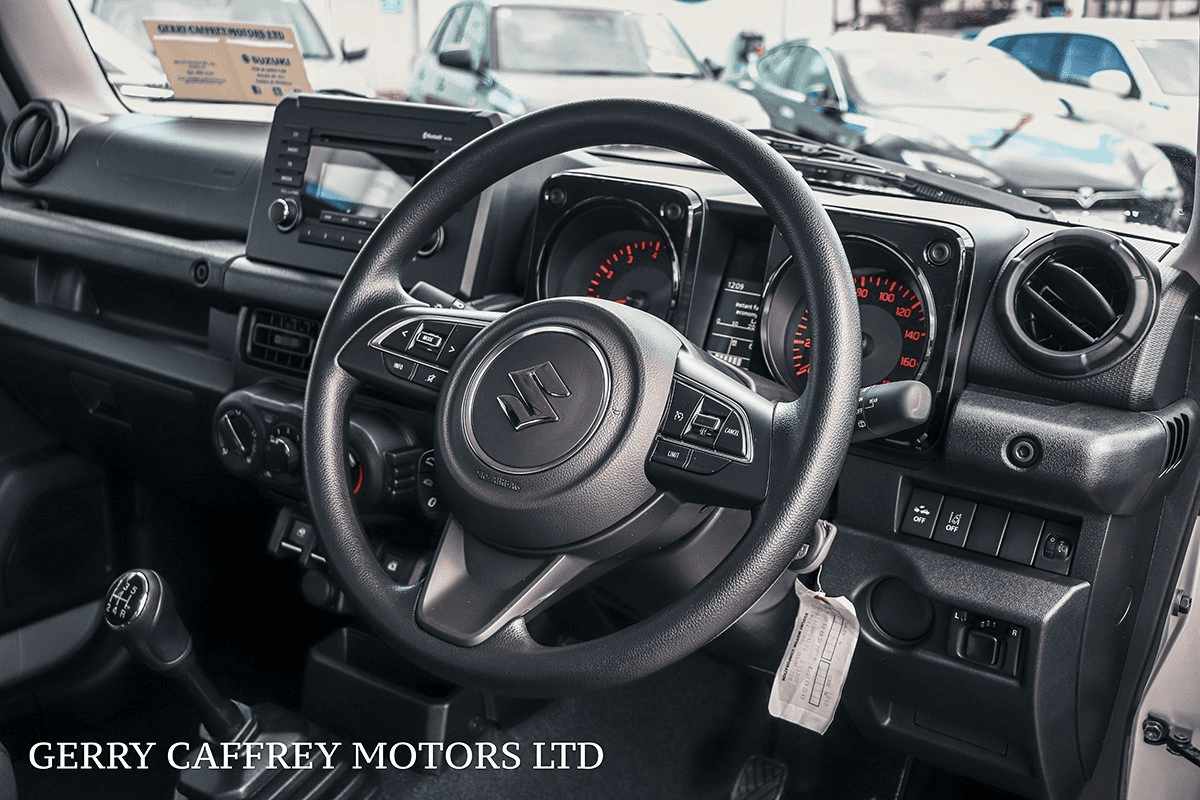
Driver’s Airbag and Passenger Airbag provide basic protection in collisions. The Jimny features two airbags for the driver and front passenger.
ABS Brakes and Electronic Stability Programme (ESP) help maintain grip and control, especially during emergency braking or slippery conditions. The Jimny’s safety systems include standard-fit ABS brakes and an emergency brake assistance system.
Total Effective Control Technology (TECT) Ladder Frame Chassis offers strength and rigidity, enhancing crash protection despite the vehicle’s compact size.
Side Impact Protection Beams and reinforced doors add extra safety in side collisions.
Newer Suzuki Jimny models include safety features such as Electronic Stability Program (ESP), ABS, Brake Assist, and Hill Hold Control. The 2026 models will feature upgraded Dual Sensor Brake Support II (DSBS II) for enhanced safety.
In combined Euro NCAP crash tests, the Jimny was tested and received a 73% rating for adult occupant protection, 84% for child occupant protection, and 52% for protecting vulnerable road users. However, the Jimny's head restraints were rated poorly for protection against whiplash injuries. The Jimny received a three-star Euro NCAP rating, which is considered worse than many other vehicles in its class. It is important to note that the Jimny has not been tested by Euro NCAP in some years and, as an old design, is not expected to achieve the same results as current 4x4s.
While the Jimny’s crash performance is rated as adequate but not outstanding, understanding its safety equipment and limitations helps drivers make informed decisions.
Tyre Maintenance and Safety for Jimny Drivers
Tyre maintenance is a cornerstone of safe and enjoyable driving in the Suzuki Jimny, whether you’re navigating city streets or tackling muddy backroads. Both the driver and all occupants rely on properly maintained tyres for adequate protection, as tyre pressures directly influence grip, handling, and the effectiveness of key safety features like ABS brakes and the driver’s airbag.
The Jimny’s three-star Euro NCAP rating highlights the importance of keeping your tyres in top condition. Insufficient pressure can compromise not only the vehicle’s performance but also the deployment of safety systems in the event of a crash.
For example, if your tyres are underinflated, the Jimny’s ABS brakes and steering wheel control may not respond as intended, increasing the risk of accidents—especially in wet or snowy conditions.
To get the most out of your Jimny’s driving experience, always check tyre pressures before long journeys or when you expect to encounter challenging surfaces like mud or snow. The recommended pressures are listed in your owner’s manual, and following these guidelines ensures optimal grip, control, and protection for both front and rear seats.
Remember, the Jimny’s suspension and engine torque are designed to work best with properly inflated tyres, so keeping an eye on pressure helps maintain performance in every gear and at any speed.
Regularly inspect your tyres for signs of wear, blocked tread, or uneven patterns. These issues can affect the Jimny’s handling and increase the risk of losing control, particularly when changing direction or driving at higher speeds.
Addressing tyre problems early not only extends the life of your tyres but also helps prevent accidents and keeps your driving experience fun and worry-free.
If you’re considering a used or modified Jimny, it’s essential to review the vehicle’s maintenance records and check for any changes to the suspension, wheels, or engine setup. Modifications can alter the way the Jimny handles and may require different tyre pressures or maintenance routines.
Ensuring that tyres are suited to the vehicle’s current setup is key to maintaining safety and control.
By prioritizing tyre maintenance, Jimny drivers can enjoy the full potential of their vehicle—whether cruising through Dublin or exploring off-road trails. Proper care ensures that the Suzuki Jimny’s safety features work as intended, providing peace of mind and a more enjoyable driving experience for both the driver and passengers.
In today’s market, a well-maintained Jimny stands out for its reliability, performance, and the sense of fun it brings to every journey.

Off-Road Safety Still Matters
Many Jimny owners head for Wicklow mountains or the west coast for off-road adventures. AA Ireland notes that off-road conditions are as important as city safety.
Check terrain, avoid boggy paths after heavy rain, and always carry recovery gear.
A common mistake is using 4WD improperly, such as engaging 4WD on hard surfaces or shifting between modes incorrectly, which can damage the vehicle or reduce safety.
The Jimny uses a part-time 4WD system called Allgrip Pro, which lacks a center differential, so 4WD should only be used in appropriate off-road or slippery conditions.
Proper tyre pressures are crucial here — lowering pressures improves grip on mud or snow but be sure to reset them for road driving.
Lowering tire pressure to around 14 psi can improve traction on unsealed surfaces while off-roading.
Use the Jimny’s 4WD modes correctly: proper 4x4 system usage includes engaging or disengaging 4WD-High while moving slowly, and ensuring the vehicle is completely stopped before shifting to 4WD-Low.
Using Hill Descent Control is important for managing braking on steep slopes during off-road driving.
We often see owners underestimate the fun of the Jimny’s off-road capability. Safety always comes first—especially in remote areas without cell coverage.
Common Mistakes to Avoid
Shifting between 2WD and 4WD-H modes while applying significant throttle can cause wheel slippage and damage.
Using the hand brake while in 4WD and moving can harm the drivetrain.
Over-inflating tyres reduces grip and increases stopping distance.
Carrying more passengers than the front and rear seats can safely accommodate risks vehicle stability.
Ignoring regular maintenance of brakes, suspension, and steering wheel setup can lead to accidents.
How The Jimny Co Supports Safe Ownership
At The Jimny Co, we import Jimnys from Japan, handle inspections, shipping, VRT, registration, and even warranty. That means our customers get a fully compliant, road-ready vehicle with no surprises.
We also provide advice on finance, trade-ins, and accessories that improve safety, like upgraded lighting, roof racks, and towing kits. Ensuring your Jimny is ready for Irish roads is part of our service.
Local Regulations to Keep in Mind
Irish roads come with specific rules. Don’t forget NCT checks, VRT compliance, and Revenue guidelines for imported vehicles. AA Ireland’s advice is particularly useful for new owners navigating these requirements.
For official guidance, check:
Revenue Vehicle Import Rules
Driving a Jimny safely during peak travel hours is about preparation, attention, and using the vehicle’s strengths wisely.
With the right approach, your Jimny can handle Dublin traffic, Irish weather, and weekend off-road adventures confidently.
Thinking about a Jimny import? We handle it all—from Japan to Dublin. Contact The Jimny Co today.

Our Passion for Jimnys is backed by 35+ years of Suzuki Heritage.
The Jimny Co is a sub-brand of Gerry Caffrey Motors — Ireland’s longest-standing Suzuki dealership.
© The Jimny Co 2025
01 490 1134
106 - 112 Terenure Road North,
Dublin 6W, Ireland, D6WWR13