Slippery Surface Advisory Jimny – How to Control Your Suzuki Jimny on Slippery Roads
11th Feb. 2026 11 minute read
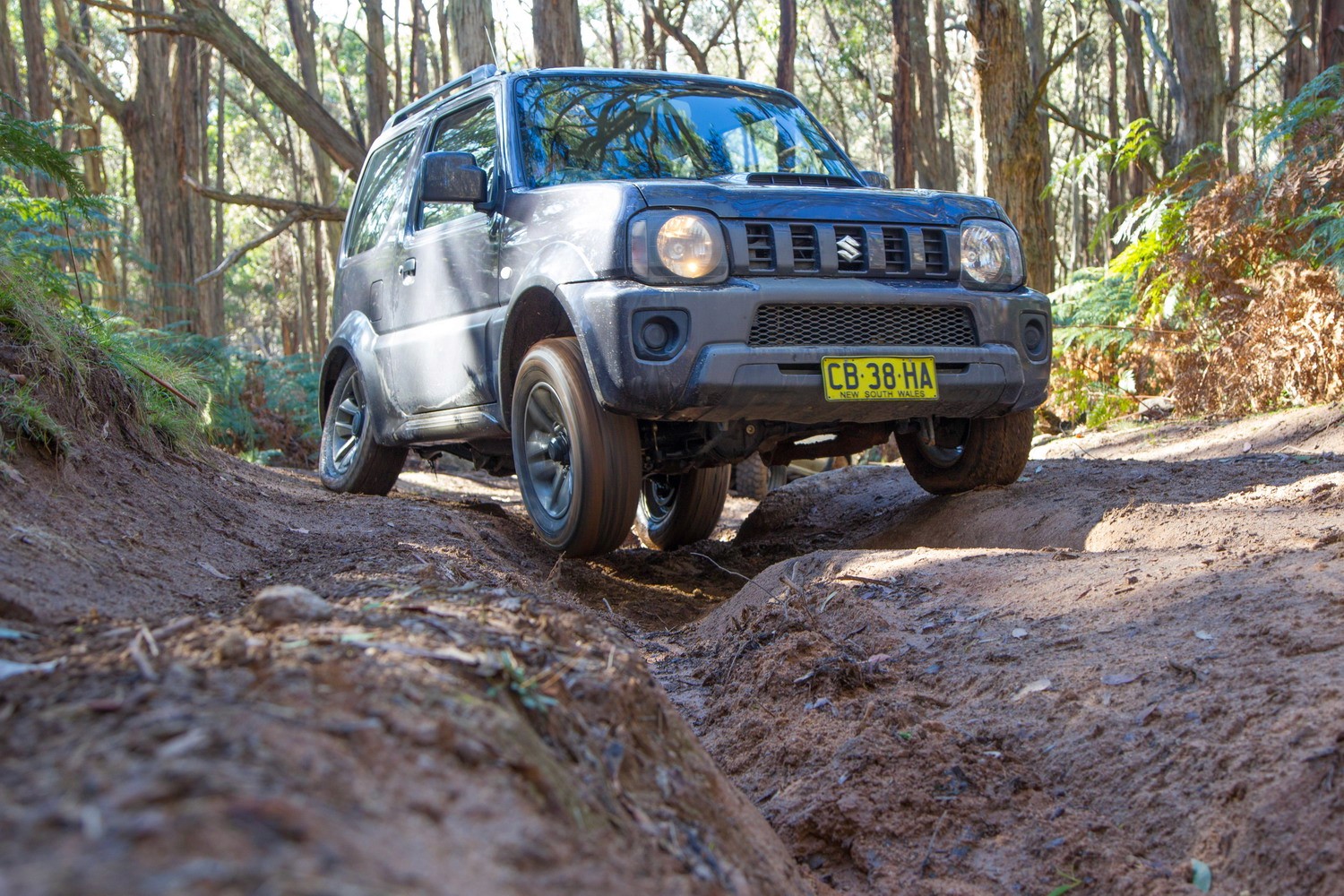
If you’re driving a Suzuki Jimny around Dublin or the wider South Dublin area, you know that Irish weather can be unpredictable. Rain, sleet, and the occasional black ice can turn even familiar roads slippery and hazardous. Understanding the slippery surface advisory Jimny and mastering how to control your vehicle on these roads is essential for safe and confident driving. With its short wheelbase and distinctive design, the Jimny handles differently from larger SUVs, and knowing how to manage its unique behavior can make all the difference between a smooth journey and a risky fall.
Introduction to Safe Driving
Safe driving is the foundation of every successful off road adventure, especially when you’re behind the wheel of a Suzuki Jimny. Whether you’re navigating the winding roads of South Dublin or tackling uneven terrain on a weekend escape, understanding your vehicle’s systems is key to both safety and fun. The Jimny’s robust ladder frame and four wheel drive system are engineered for off road performance, giving you the confidence to handle slippery surfaces and challenging conditions.
Traction control is a vital feature that helps maintain grip and stability, especially when the road gets slick or when you’re crossing muddy patches. While the system is designed to keep your wheels from spinning out, there are times—like when you’re driving through deep mud or loose sand—when switching off traction control can actually give you better traction and allow for more controlled wheel slip. The low range transfer gear is another essential tool, delivering extra torque to the rear wheels and rear axle for improved control on steep climbs or when crawling over obstacles.
Regular checks of your brake lines and brake system are crucial, particularly if you’ve made modifications or enjoy frequent off road excursions. Wet conditions can increase the risk of the rear wheels locking up, so keeping your brakes in top shape ensures you’re always ready to react. By understanding how each system works together—traction control, low range transfer gear, and the sturdy ladder frame—you’ll be well-equipped to handle whatever the Irish weather throws your way, both on and off the road.
Why Short-Wheelbase Vehicles Like the Jimny Behave Differently
Short-wheelbase vehicles such as the Jimny are notably nimble but can feel twitchy on slippery surfaces. Drivers often experience oversteer on tight corners and when navigating a corner on wet or icy roads. Unlike longer vehicles, the Jimny responds quickly to steering inputs, which is advantageous off road but can be challenging on slick urban streets. Its robust ladder frame and four wheel drive system provide excellent off road performance; however, controlling the vehicle on slippery surfaces demands awareness of these distinctive reactions.
The Jimny features an ample approach angle of 37 degrees, a ramp breakover angle of 28 degrees, and a departure angle of 49 degrees. These angles help the vehicle navigate obstacles and tight corners without scraping, enhancing its capability on both off-road trails and challenging urban environments.
Understanding Your Jimny’s Four Wheel Drive and Traction Control System
The Jimny features Suzuki’s ALLGRIP PRO system—a part-time 4WD system with low range transfer gear designed for high off-road ability and to deliver better traction on uneven terrain and slippery surfaces. This system allows drivers to easily switch between 2WD and 4WD modes as needed. The Jimny lacks a center differential, so 4WD High (4H) should only be used on surfaces fully covered in snow, ice, or mud to prevent drivetrain stress. Engaging the low range transfer gear provides maximum torque to the rear wheels and rear axle, enhancing grip and stability. The lever allows you to shift between 2H, 4H, and 4L modes, and should be used carefully to avoid drivetrain stress and potential damage. The Jimny incorporates a brake LSD traction control system that redistributes torque to wheels with grip when two diagonal wheels lose traction. The traction control system can be switched on or off depending on the conditions; knowing when to activate or deactivate it is key to safe driving.
Top Tips for Controlling Your Jimny on Slippery Roads
Go Easy on the Throttle
Smooth and gradual acceleration is crucial on slippery roads. Sudden bursts of power can cause slipping wheels, especially when climbing hills or starting from a stop. The Jimny’s ability to climb over obstacles and steep terrain is aided by its approach, ramp breakover, and departure angles, but maintaining smooth throttle input is key to retaining control on slick surfaces. This approach not only maintains control but also improves fuel economy.Brake Gradually and Inspect Brake Lines
Progressive braking reduces the risk of wheel lockup. Regular inspection of brake lines, particularly after modifications or lift kit installations, ensures proper brake response and vehicle stability. Pay attention to the brake pedal feel to detect any issues early.Steer with Confidence, Not Force
Avoid overcorrecting. The Jimny’s short wheelbase and responsive steering mean that small, smooth adjustments are most effective. When skidding, steer gently in the direction of the skid and avoid slamming the brakes. Abrupt steering inputs can lead to loss of traction and vehicle instability.Use Four Wheel Drive and Low Range Transfer Gear Appropriately
Engage four wheel drive when conditions require better traction. Use the low range transfer gear (4L) for slow-speed control on slippery or uneven terrain, especially in extreme low-traction situations like deep snow or mud. Do not exceed 40 km/h when using 4L. Remember, using 4H on dry roads can cause transmission wind-up and costly damage.Maintain a Safe Following Distance and Reduce Speed
On slippery surfaces, maintain a following distance of at least 6–8 seconds and reduce your speed to under 50 km/h. This gives you more time to react and helps prevent collisions in low-traction conditions.Remove Snow and Ice Before Driving
Before starting your journey, remove all snow and ice from the Jimny’s roof, windows, and mirrors to ensure maximum visibility and safety.Use Higher Gears to Prevent Wheel Spin
When driving in slippery conditions, consider using higher gears to help prevent wheel spin. The Suzuki Jimny’s Electronic Stability Control (ESC) is designed to assist in these situations, but smooth gear selection further enhances traction.Understand the Supposed Effects of Traction Control and Driving Techniques
There are supposed benefits to switching off traction control or using certain driving techniques during off-road maneuvers or water crossings. However, in most slippery surface scenarios, keeping traction control enabled and focusing on smooth driving inputs is more effective. Driver skill and vehicle condition often play a more critical role than perceived electronic assistance.Monitor the Slip Indicator Light
If the Slip Indicator Light remains on constantly, it may indicate a fault in the system or that traction control has been manually deactivated. Check your vehicle’s manual and have the system inspected if the light does not turn off.Maintain Your Suspension and Shocks
A properly maintained lift kit and shocks contribute significantly to vehicle stability. Incorrect or worn suspension components can compromise handling on slippery surfaces. Regularly check front and rear shocks for wear and tear.Check Tyres and Consider Upgrades
Tyres with good tread and correct pressure improve grip dramatically. Consider all-terrain tyres designed for wet and muddy conditions to enhance off road performance. Maintaining stock tyre pressure close to factory specifications (around 26 psi) ensures optimal contact with the road.
Real-World Jimny Experiences in Ireland
Many Jimny owners in Ireland praise the vehicle’s agility on narrow rural roads and its capability in challenging winter conditions. However, some have noted that modifications like lift kits or brake line changes can affect brake balance and stability, underscoring the importance of professional installation and regular maintenance. Any modification to the brake system, such as altering the Load Sensing Proportioning Valve (LSPV) or changing ABS components, may require fine inspection and adjustment to maintain proper brake bias and safety. There is also a risk of missing or incorrect brake system components after modifications, so it is crucial to check for these issues to avoid problems like rear wheel lock-up or imbalance. One user shared a detailed post outlining how a lift kit impacted their brake lines and necessitated adjustments to prevent unexpected rear wheel locking, noting a significant improvement in off-road reliability after the changes. Tyre choice is the single most impactful decision for off-road performance in the Suzuki Jimny, often making a bigger difference than many mechanical upgrades.
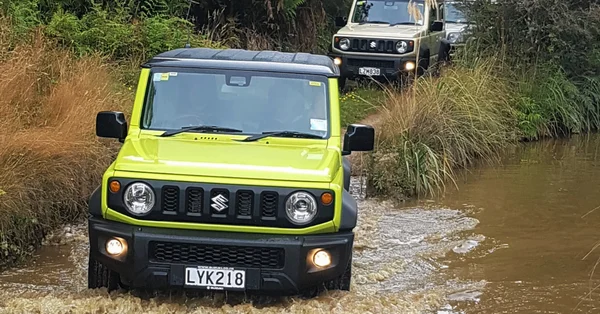

Preparing Your Jimny for Irish Weather and Slippery Conditions
All-Weather Mats & Mud Flaps: Protect your vehicle’s cabin and exterior from the wet and muddy conditions common in Dublin.
Underbody Protection: Essential for off road excursions in areas like Wicklow or the Burren, shielding brake lines and suspension components from damage.
Winter Tyres: Recommended from November to March to maintain grip on icy roads, boosting overall safety and handling. For optimal grip, ensure your tyres have a minimum tread depth of 3mm, and consider switching to winter tyres in low temperatures. Upgrading to winter tyres is a cost-effective way to improve safety compared to more extensive modifications. When planning maintenance or upgrades, aim to schedule your appointment at least a week in advance to ensure timely service, especially during busy winter months.
The Jimny offers a rear luggage space of 377 litres when the rear seats are folded down, which is 53 litres larger than its predecessor—ideal for carrying extra gear during winter trips.
Safety Considerations: Brake System and Stability
The Jimny’s brake system—including brake lines and ABS (anti-lock braking system)—is vital for maintaining control. Any modification, such as replacing brake lines or altering the brake setup, should be done with care and must meet manufacturer specifications to avoid issues like rear wheels locking or uneven brake bias. After any modification, it is important to compare the current brake system setup to the original to ensure no components are missing or wrong, such as the load sensing proportional valve (LSPV), ABS modulator, or related sensors. An incorrect or wrong brake system configuration after modifications can lead to rear wheel lock-up or mistaken system behavior. The brake pedal should respond firmly without excessive travel. Traction control and ABS default settings are designed for safety, but understanding their operation on slippery surfaces helps you respond appropriately. Additionally, installing aftermarket air or electric lockers for the rear axle requires professional axle disassembly and gear backlash adjustment to maintain proper function and safety. Always expect the unexpected when driving on slippery roads and prepare accordingly.
Importing a Jimny to Ireland Made Simple
At The Jimny Co, we manage everything from Japan to your driveway in Dublin. We inspect each vehicle, handle shipping, manage VRT and register both the vehicle and any modifications to ensure full legal compliance. It is essential to properly register all changes, as improper registration can lead to legal or safety issues, especially with complex systems. We also ensure that any modifications are MOT-compliant and safe for road use, so your Jimny remains road-legal and durable.
Suzuki's ALLGRIP technology, developed over 55 years, features various systems tailored for different driving conditions, providing confidence on slippery surfaces. When considering importing or modifying a Jimny, it’s important to factor in the price, including potential cancellation charges and the impact of pricing on your decision. For those planning extended off-road use in 4L or towing, we recommend fitting a transmission cooler to protect your vehicle.
A well-prepared Jimny with the right modifications and maintenance offers peace of mind and reliable performance on slippery roads. Our thorough post-import checks ensure your Jimny is ready to tackle tough Irish conditions.
Conclusion and Final Tips for Off Road Enthusiasts
As you explore the full capabilities of your Suzuki Jimny, remember that preparation and knowledge are your best allies for safe and enjoyable off road driving. Always take the time to inspect your vehicle before heading out—check the condition of your tyres, ensure your brake lines are secure, and verify that your four wheel drive system is functioning as it should. Don’t forget to test the low range transfer gear and traction control system, so you know exactly how your Jimny will react when faced with slippery surfaces or uneven terrain.
When driving off road, keep your speed in check and use smooth, deliberate steering and throttle inputs to maintain stability and grip. If you encounter mud or loose ground, consider switching off traction control to allow the wheels to find their own path and avoid getting stuck. The Jimny’s ladder frame and rear axle are built to handle tough conditions, but regular maintenance is essential to keep your vehicle performing at its best.
Finally, don’t hesitate to seek professional advice or servicing from a trusted Suzuki dealership like Gerry Caffrey Motors. Their expertise ensures your Jimny remains reliable, safe, and ready for any adventure. With the right preparation and a bit of know-how, you’ll enjoy peace of mind and plenty of fun, no matter where the road—or the trail—takes you.

Our Passion for Jimnys is backed by 35+ years of Suzuki Heritage.
The Jimny Co is a sub-brand of Gerry Caffrey Motors — Ireland’s longest-standing Suzuki dealership.
© The Jimny Co 2025
01 490 1134
106 - 112 Terenure Road North,
Dublin 6W, Ireland, D6WWR13