Engine Stalls on Inclines – Practical Steps for Jimny Drivers
9th Feb. 2026 13 minute read
If you drive a Suzuki Jimny in Dublin or around South Dublin, you might have noticed your engine stalling on inclines. It’s a surprisingly common issue, especially on the hilly roads around Howth or Rathfarnham. In our experience, it usually comes down to a few simple factors that are easy to address with the right approach.
Introduction to Engine Stalls
Engine stalls can catch any driver off guard, especially when they happen in busy Dublin traffic or on a steep hill. Simply put, a car stall occurs when the engine suddenly stops running, leaving you without power or control. This can be caused by a variety of factors, but most often it comes down to issues with the fuel system, air flow, or mechanical faults. For example, a clogged fuel filter or a failing fuel pump can prevent enough fuel from reaching the engine, while a dirty air filter can restrict air flow and upset the delicate balance needed for smooth engine operation. Mechanical problems, such as worn components or blockages, can also play a role. Staying on top of regular maintenance—like checking and replacing the fuel filter, inspecting the fuel pump, and ensuring the air filter is clean—can go a long way in preventing engine stalls. Understanding these basics helps you stay prepared and confident behind the wheel, no matter where your journeys take you.
Why Your Jimny Might Stall on a Hill
Jimnys are built tough for off-road adventures, but Irish roads and traffic conditions can challenge even the most reliable engines. We often see stalls caused by:
Incorrect clutch technique – especially in manual transmission cars (stick shift) when starting on steep hills. Failing to properly use the clutch or gas pedal can cause the engine to stall. Manual transmission cars are more likely to stall on inclines if the driver forgets to engage the clutch or shift to neutral when stopping. Remember, the stall speed of your engine is the RPM at which it can no longer produce enough power to keep running, so managing throttle and clutch carefully is crucial.
Fuel delivery issues – problems with the fuel pump, fuel filter, or fuel system can reduce fuel pressure or fuel level in the fuel tank or gas tank, causing hesitation or engine stops under load. If the fuel pump or torque converter begins to fail, stalling can occur. A partially blocked fuel filter or low fuel level indicated by the fuel gauge can contribute to stalling, especially when climbing inclines. Low fuel levels can cause fuel to move away from the pickup tube in the tank when driving on an incline.
Air intake or sensor problems – a clogged air filter or malfunctioning mass airflow sensor can disrupt the air flow and fuel mixture, leading to stalls. A dirty air filter reduces oxygen needed for combustion and can contribute to engine stalling under high load. Make sure the air filter is clean and replaced regularly to avoid overheating or poor engine performance. Overheating can cause an engine to stall while driving up an incline, and obstructions in the cooling system, such as a clogged radiator or failing thermostat, can lead to overheating while driving uphill.
Electrical issues – faults with the alternator, switches, or other electrical components may affect engine running and cause stalling.
In our experience, a combination of hill starts and heavy gear changes in stop-start Dublin traffic is the main culprit for many owners. Unexpected stalls on hills can be even worse, as they may be more dangerous and alarming without prior warning signs.
How Engine Stalls Happen on Inclines
When driving up a steep incline, the engine needs more power or pull to overcome the increased load. In manual transmission cars, if the clutch is not engaged correctly or the engine idle speed is too low, the engine can struggle to maintain rpm and stall. This is especially common when starting on a hill without using the handbrake method to control the vehicle. Drivers sometimes “brake hard” or release the clutch too quickly, causing the engine to “hit” its stall speed and shut down.
Heat buildup during a climb can cause fuel vaporization or trigger a safety shutdown due to overheating.
In automatic transmission vehicles, the torque converter and transmission fluid work together to manage power delivery. Problems with the torque converter or low transmission fluid can cause the engine to stall on inclines. The torque converter allows the engine to idle even when the wheels are stopped, but if it fails, the engine may stall as the wheels and engine RPM become locked.
Other mechanical factors such as vacuum leaks, clogged fuel filters, or a malfunctioning fuel pump can reduce fuel flow and cause the engine to stop unexpectedly. Using a fuel pressure gauge can help determine if the fuel pump maintains proper pressure during load conditions. Additionally, issues with the oil level in the oil pan or problems with the float level in the fuel system can affect engine performance and contribute to stalling.
If the stalling is related to sensor or electrical issues, checking for diagnostic trouble codes using an OBD-II scanner can identify sensor-related problems that may cause stalling.
In manual transmission cars, switching to neutral or switching gears at the right time can help prevent engine stalls on inclines. Avoid attempting to climb a steep hill in a higher gear than necessary, as this can cause the engine to lug and stall.
It's also important to note how your Jimny performs differently on level ground versus steep inclines. On level ground, the engine requires less power to maintain speed, so stalls are less common. However, on hills, the increased demand for power and torque can expose any weaknesses in the fuel system or driver technique.
When the engine stalls, power brakes are lost first, making it harder to stop the vehicle. It's important to manage the brakes carefully to maintain control and safely bring the vehicle to a stop.
Transmission and Engine Stalls
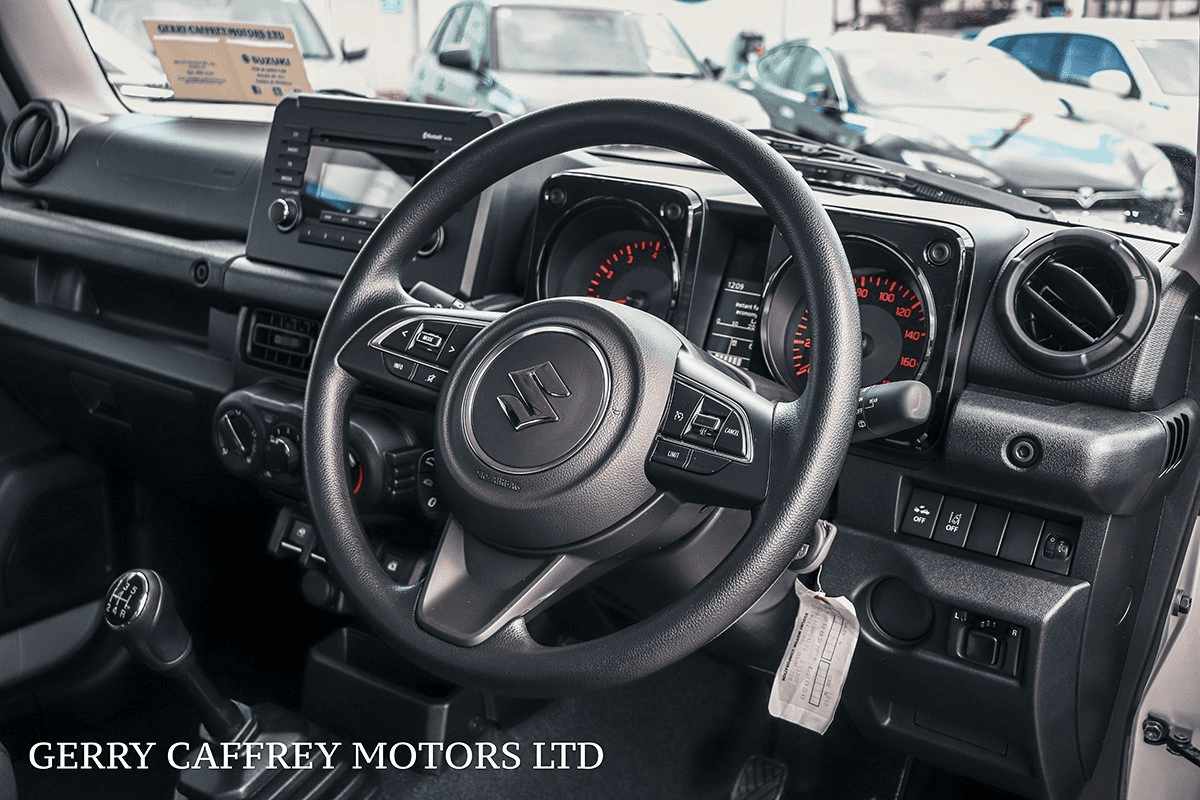
Transmission problems are another common reason for engine stalls, especially in manual transmission cars. If you drive a stick shift, using the clutch and gearshift correctly is essential to keep the engine running smoothly. Letting the clutch out too quickly or selecting the wrong gear can cause the engine to stall, particularly when starting on a hill. In automatic transmission vehicles, a faulty torque converter or low transmission fluid can disrupt the smooth transfer of power, leading to unexpected stalls. It’s important to regularly check your transmission fluid level and ensure it’s in good condition to avoid these issues. Also, make sure the parking brake is fully released before moving off, and avoid pressing the foot brake too hard while accelerating. By paying attention to these details, you can reduce the risk of engine stalls related to your car’s transmission, whether you drive a manual or automatic.
Electrical Issues and Engine Stalls
Electrical issues can be a hidden culprit behind engine stalls, often catching drivers by surprise. A weak or dead battery, or a failing alternator, can prevent your engine from starting or cause it to stall while driving. Problems with the vehicle’s sensors or vacuum leaks can also disrupt the fuel mixture, making it difficult for the engine to maintain a steady idle. Even something as simple as a sticky or faulty gas pedal can lead to stalling. To keep your engine running reliably, it’s wise to have your battery and electrical system checked regularly, and to watch for warning signs like dimming lights or slow engine cranking. Keeping up with routine oil changes and tune-ups also helps prevent electrical and mechanical issues that can lead to stalls. With a well-maintained vehicle, you’ll be better equipped to handle whatever the Dublin roads throw your way.
What to Do If Your Engine Stalls on an Incline
If your car stalls while going uphill, stay calm and follow these steps:
Keep your foot on the brake pedal (foot brake) to prevent the car from rolling backward.
Engage the parking brake (handbrake) to hold the vehicle steady.
Depress the clutch fully to disengage the engine from the drivetrain.
Restart the engine while keeping the clutch depressed and brake engaged.
Release the parking brake gradually as you slowly apply the throttle and release the clutch to move forward smoothly.
Avoid abrupt acceleration or releasing the clutch too quickly, as this can cause the engine to stall again or cause the wheels to spin.
How to Prevent Stalling on Inclines
Use the Handbrake Method – Hold the parking brake while gently pressing the clutch and gas pedal. Release it as the engine engages. This works wonders on steep spots like Montpelier Hill and prevents rollback.
Maintain Your Fuel System – Regularly inspect and replace the fuel filter and ensure the fuel pump is working properly. Keep the fuel tank or gas tank sufficiently filled to avoid fuel starvation, especially when the fuel gauge shows low levels.
Check and Replace Air Filters – A clean air filter ensures proper air flow and optimal fuel mixture, helping the engine run smoothly and preventing overheating.
Monitor Transmission Fluid and Clutch Condition – For automatics, ensure transmission fluid is at the correct level and in good condition. For manuals, adjust the clutch as needed to prevent slipping or dragging, which can cause stalls.
Avoid Overloading – Jimnys are compact, so heavy cargo can strain the engine on inclines, especially with passengers or accessories installed.
Regular Servicing and Diagnostics – Have a qualified mechanic or a well known member of the Suzuki community inspect your vehicle for electrical issues, vacuum leaks, oil level in the oil pan, or other mechanical faults that could cause stalling.
Practice Smooth Acceleration and Clutch Control – Learning to balance the throttle and clutch, especially in stick shift vehicles, helps maintain engine RPM above stall speed on hills.
Off-Road Tips for Irish Adventures
If you’re taking your Jimny off the beaten track in Wicklow or on Connemara trails, stalling can be frustrating. We recommend:
Engaging 4WD before tackling steep climbs.
Using low-range gears for controlled power and better torque.
Practicing clutch control and hill starts in a safe, open area to build confidence.
How The Jimny Co Helps Jimny Owners
At The Jimny Co, we don’t just sell cars – we import them from Japan, handle inspections, shipping, VRT, registration, and even offer warranty. Many of our customers in Dublin and South Dublin rely on us for:
Full import service from Japan
Finance and trade-in options
Off-road accessories for Irish conditions
Expert advice on ownership and maintenance
If your Jimny stalls on hills, our team can guide you through troubleshooting, upgrades, or servicing options to keep you moving confidently on Irish roads.
Learn More About Jimny Ownership
For more tips and advice on keeping your Jimny in top shape:
Explore our Jimny Finance Options for stress-free ownership.
Check our Current Stock to see the latest imports.
Read our Jimny Accessories Guide to tailor your ride for Irish terrain.
For further guidance on Irish car standards, visit AA Ireland and Revenue for VRT and registration rules.

Our Passion for Jimnys is backed by 35+ years of Suzuki Heritage.
The Jimny Co is a sub-brand of Gerry Caffrey Motors — Ireland’s longest-standing Suzuki dealership.
© The Jimny Co 2025
01 490 1134
106 - 112 Terenure Road North,
Dublin 6W, Ireland, D6WWR13