Import Suzuki Jimny 2027 Ireland: What Should Buyers Plan Before December?
23rd Nov 2026 11 minute read

If you’re hoping to import a Suzuki Jimny from Japan to Ireland in 2027, start planning early. Sourcing, inspection, shipping, customs clearance, VRT and registration all take time, and the final cost depends on the individual vehicle and the rules in force when it arrives.
The Jimny Co helps Irish buyers source vehicles from Japan and manage the import process through to preparation and handover. Whether you’re in Dublin, Limerick or other areas of Ireland, here’s what to check before committing. If you’re interested in a particular model, browse current stock and explore your options before making a decision.
Why Plan Your Suzuki Jimny Import Early?
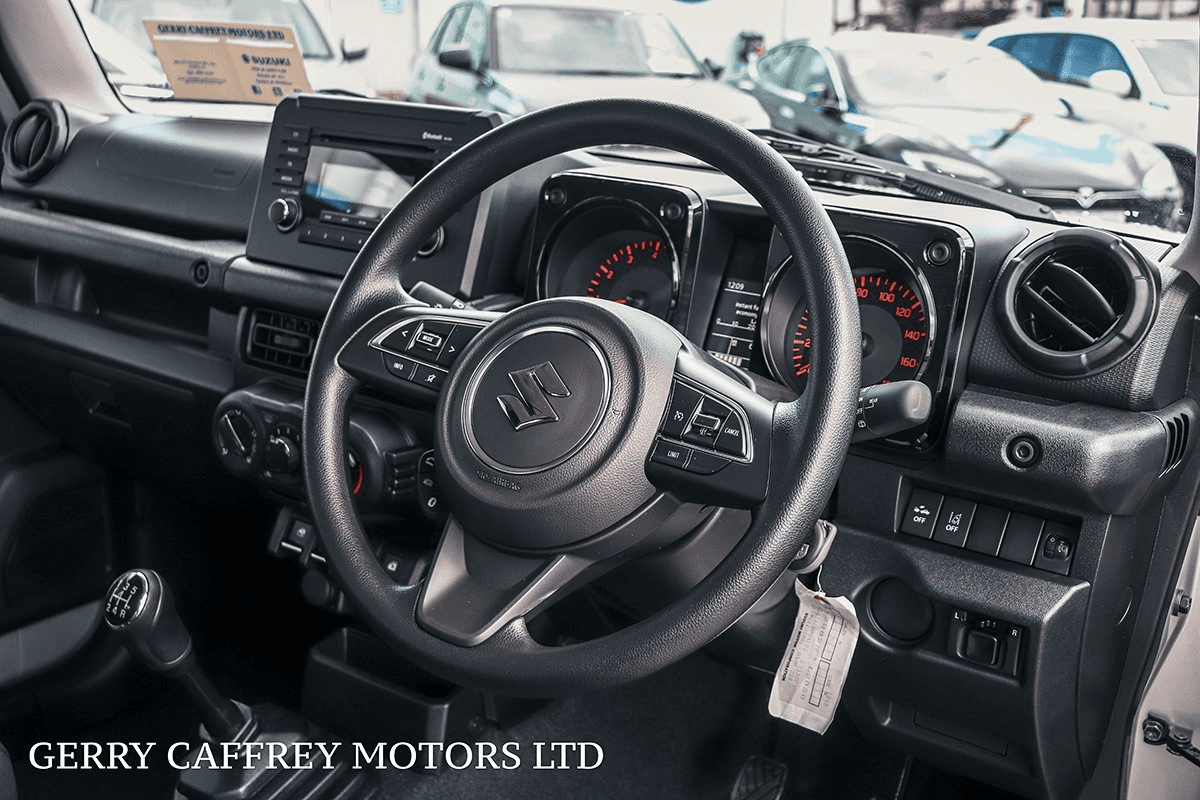
What makes the Jimny appealing is its compact size for narrow streets and tight parking, while many Irish drivers also praise its capable four-wheel-drive system, ground clearance and everyday practicality. The interior features high-quality materials and comfortable seats, though rear passenger space is limited and the traditional suspension can feel bumpy on uneven roads. Japan’s year-end holiday period may also affect supplier and auction activity. Consider reliability and performance alongside comfort and practicality when comparing vehicles.
Starting your research before December 2026 gives you more time to compare specifications, understand the budget and check whether a particular vehicle can be registered in Ireland. It cannot guarantee a 2027 delivery date, so allow flexibility rather than relying on a fixed arrival estimate. Remember to confirm details before purchase.
Sourcing, Inspection, Optional Extras and Delivery
First decide what you need: a three-door or five-door model, manual or automatic transmission, and the features that matter for your use. Consider passenger and luggage space as well as appearance. Before purchase, check the vehicle’s condition, service records, specification and suitability for Irish registration. Ask what inspection is carried out and request available reports and photographs. Review the underbody, previous repairs, accident history and any modifications. Imported Jimnys may have limited local service history documentation, so keep all records supplied with the vehicle.
After purchase and export clearance, the Jimny is shipped to Ireland. Transit times vary with vessel schedules, routing and port arrangements. Ask your importer for an estimated end-to-end timeline and what happens if shipping or registration is delayed. A reliable importer should explain the stages and provide updates rather than promise an exact date that depends on third parties. You can simply complete an enquiry form to discuss availability and timing.
What Does It Cost to Import a Jimny?
Budget for the full landed and road-ready cost, not only the Japanese sale price. Depending on the vehicle and service, costs may include:
Vehicle purchase, inspection and export documentation
Shipping and marine insurance
Customs duty and import VAT, where applicable
VRT, including any applicable NOx levy
Customs clearance, registration and preparation
Any required compliance work, testing or modifications
The Irish VAT rate on vehicle imports is generally 23%. Revenue classifies a vehicle as new for VAT purposes based on age and mileage criteria; generally, a vehicle is new if it is under six months old or has travelled less than 6,000 km. Check the treatment of the specific vehicle before purchase. Customs duty on non-EU imports can range from 0% to 10%, depending on origin and applicable customs arrangements. Customs clearance may cost roughly €100 to €250, depending on the service used.
Revenue determines the Open Market Selling Price used to calculate VRT; it is not necessarily the invoice price paid in Japan. M1 passenger vehicles incur VRT rates based on CO₂ emissions, and vehicles emitting above 190 g/km typically fall into the highest rates. A NOx levy is additional to VRT and is based on nitrogen oxide emissions. Request a written, itemised quote that sets out what is included, what may change and when payments are due. For current rules, consult Revenue’s vehicle import guidance.

Irish Registration, Testing and Compliance
An imported vehicle must follow the relevant customs, tax and registration procedures. A customs import declaration must be filed before the vehicle leaves the port in Ireland. Under general Irish rules, the vehicle must be presented for registration within 30 days of arrival, and the National Car Testing Service (NCTS) must generally be booked within seven days of the vehicle entering Ireland for inspection. After VRT is paid, registration plates must be fitted within three days. Confirm current requirements with Revenue and NCTS before the vehicle arrives, as procedures can change.
Do not assume every Japanese Jimny has the same approval route. A vehicle from outside the EU must meet applicable Irish and EU type-approval, safety and emissions requirements. Depending on approval documents and specification, it may need individual assessment, modifications or other evidence before registration. A vehicle without a European Certificate of Conformity may require additional checks or changes. Non-compliance can prevent registration.
The UK IVA system is not the Irish registration process. An IVA test is required for imported cars under ten years old when being registered in the UK, and imported Jimnys may need modifications such as a speedometer conversion for UK compliance. A UK-used Jimny is already DVLA-registered with a UK V5C logbook and requires only a standard MOT for UK compliance. It must have a UK V5C and valid MOT for UK insurance. These UK requirements should not be assumed to apply to a vehicle being registered in Ireland; check Irish requirements with Revenue and the NCTS.
Choosing a Jimny for Irish Driving and Test Drive Considerations
A three-door Jimny is compact and easy to manoeuvre, with a relatively small turning radius that helps in town. Its four-wheel-drive system is useful in appropriate low-grip conditions, but it does not eliminate skidding or shorten braking distances. Choose suitable tyres, drive to the conditions and use the drivetrain as directed.
A five-door model may offer more everyday practicality, but check the exact Japanese specification, availability and eligibility for Irish registration before arranging a purchase. A manual may appeal to drivers who prefer a more involved drive; an automatic can be convenient in Dublin traffic. Fuel consumption is generally better than that of larger, heavier SUVs, but consider motorway refinement and running costs for your own routes.
If you can inspect a comparable vehicle locally, arrange a test drive before deciding. A Japanese vehicle may have a different specification from a model sold by an Irish dealer, so compare equipment and optional extras carefully. Ask for written details of its trim, features and accessories. Visit the dealership or contact the team to find out what is available.
Pricing and the UK-Used Alternative
New Suzuki Jimny prices in Ireland have been reported from around €23,000, with higher-end models reaching about €26,000; prices and availability can change. Used Suzuki Jimny models are available at lower prices. Importing a Jimny may add roughly £3,500 to £5,000 in costs in a UK import context, but this is not an Irish landed-cost estimate. Irish buyers should obtain a vehicle-specific quote covering shipping, customs, VAT, VRT, registration and compliance.
A UK-used Jimny is often simpler and lower-risk for UK buyers: it has domestic registration paperwork, needs only a standard MOT for compliance and usually has a straightforward resale process. Imported vehicles can offer access to different specifications, but may have less familiar service documentation and require additional checks. These are UK comparisons, not substitutes for checking Irish registration rules and costs.
Finance, Trade-In and Preparation
Discuss finance early if you do not plan to pay the whole cost from savings. Ask about eligibility, deposit, monthly repayments, total cost of credit and when funds are required. Approval and available terms depend on the lender.
If you have a car to trade in, arrange a valuation and establish how it will be applied to the purchase. The value depends on its age, mileage, condition and market demand. You can also discuss accessories such as roof racks, protective equipment, storage and all-terrain tyres. Check how additions affect insurance, weight, handling and road legality before fitting them.
Your Pre-December Checklist
Choose a preferred body style, transmission and specification.
Set a budget that includes shipping, taxes, VRT, registration and possible compliance work.
Request inspection evidence and confirm what vehicle documents will be supplied.
Verify the vehicle’s classification, approval route and registration requirements before purchase.
Get a written quote, delivery estimate, warranty details and clear terms.
Discuss finance, trade-in and accessories before committing.
Plan Your 2027 Jimny Import
Importing can give you access to Japanese-market Jimnys, but it involves more steps and uncertainty than buying a vehicle already registered in Ireland. Compare the full costs, paperwork and condition evidence before deciding whether an import is right for you.

Our Passion for Jimnys is backed by 35+ years of Suzuki Heritage.
The Jimny Co is a sub-brand of Gerry Caffrey Motors — Ireland’s longest-standing Suzuki dealership.
© The Jimny Co 2025
01 490 1134
106 - 112 Terenure Road North,
Dublin 6W, Ireland, D6WWR13