Japanese Jimny Interior Grade Auction Sheet: What Do A, B, C and D Indicate?
16th Nov 2026 12 minute read

When you're buying a Suzuki Jimny from Japan, the auction sheet is one of the most important documents you'll come across. It gives you an overview of the vehicle's condition before it makes the journey to Ireland.
One detail worth paying close attention to is the interior grade. Usually marked A, B, C or D, this rating helps you understand how well the cabin has been maintained.
But what do these grades actually mean? And is a C-grade Jimny necessarily a bad buy?
At The Jimny Co, we help customers across Dublin, South Dublin and Ireland source Suzuki Jimnys from Japan. Understanding the japanese jimny interior grade and the wider auction report can help you compare vehicles and ask informed questions before buying.
What Are Japanese Jimny Auction Sheet Interior Grades?
Japanese vehicle auctions use a grading system to assess cars before they're sold, though criteria can vary between auctions. Alongside the overall Japanese auction grade, many auction sheets include a separate interior condition rating. These japanese car auction grades can vary between auction houses, so use the grading legend for the specific sheet, as each auction house may use slightly different definitions on its own sheet.
The interior rating provides a general indication of the condition of seats, carpets, dashboard, door panels and other cabin components. It is particularly useful when comparing a used car: two Jimnys of the same age and mileage can have very different interiors.
One might have spent its life commuting around Japanese cities, while another may have been used for camping, outdoor activities or off roading. The grade can help flag differences, but it is not a complete inspection report or a guarantee of mechanical condition. A letter grade indicating average condition should be read alongside the inspector's comments and photographs.
Japanese Jimny Interior and Japanese Car Auction Grades Explained
Interior grades typically range from A to D, with A representing the best condition and D indicating more substantial wear or damage. Definitions differ between auction houses, so consider the inspector's comments and photographs alongside the letter grade.
Grade A: Excellent Interior Condition
An A-grade interior generally means the cabin is in excellent condition, with very little visible wear. Seats should be clean, dashboard and interior plastics well maintained, and carpets largely free from noticeable staining or damage.
For buyers looking for a particularly tidy Suzuki Jimny in Ireland, an A-grade interior is often treated as a high grade example, but you should still verify the inspection details rather than assume it is perfect. However, it does not mean the vehicle is mechanically perfect. The engine, gearbox, suspension, chassis and body still need proper assessment.
Grade B: Good Interior Condition
A B-grade interior indicates good overall condition with some minor signs of everyday use. You might notice light wear on the driver's seat, small scratches on plastic trim or slight marks on the carpets.
B-grade Jimnys can offer a good balance between condition and value. For someone driving around Dublin during the week and exploring Wicklow or the Irish countryside at weekends, a well-maintained B-grade interior may be more than suitable.
Grade C: Fair Interior Condition
A C-grade interior usually means there are noticeable signs of wear. These could include stained seats, scratched door panels, worn upholstery, damaged trim or persistent interior odours.
That doesn't necessarily mean the Jimny should be avoided. A few cosmetic imperfections can lower the interior grade even when the vehicle is otherwise in good condition. The key is understanding why the inspector assigned that rating and whether any repairs are needed.
Grade D: Poor Interior Condition
A D-grade interior generally indicates substantial wear, damage or deterioration. The cabin may have heavily stained upholstery, torn seats, broken trim, damaged carpets or strong odours.
For buyers looking for a clean, ready-to-drive Jimny, this grade calls for extra caution. Interior repairs can become expensive, particularly if replacement components need to be sourced from Japan. Identify potential issues before purchasing rather than discovering them after the vehicle arrives in Dublin.
What Do Japanese Auction Inspectors Check Inside a Jimny?
An inspector typically examines the seats, upholstery, carpets, dashboard and interior panels. Signs of cigarette smoke, pet odours, stains and excessive wear may also be recorded.
For a Suzuki Jimny, the boot area deserves particular attention. These vehicles are popular with outdoor enthusiasts, so luggage compartments can show signs of carrying camping equipment, muddy boots or other gear. Check whether aftermarket accessories have been fitted correctly and whether original interior components are missing.
The Jimny's Japanese-market cabin is designed around rugged functionality rather than luxury finishes. Its squared-off dashboard, chunky buttons and physical controls are practical for outdoor use, including operation with gloves. Hard plastics and durable materials are easy to wipe clean after muddy excursions, while the layout emphasizes visibility and practical storage. The cargo area is also intended to be useful and straightforward to clean.
The interior inspection is generally a visual condition assessment. It isn't a substitute for a detailed mechanical or safety inspection.

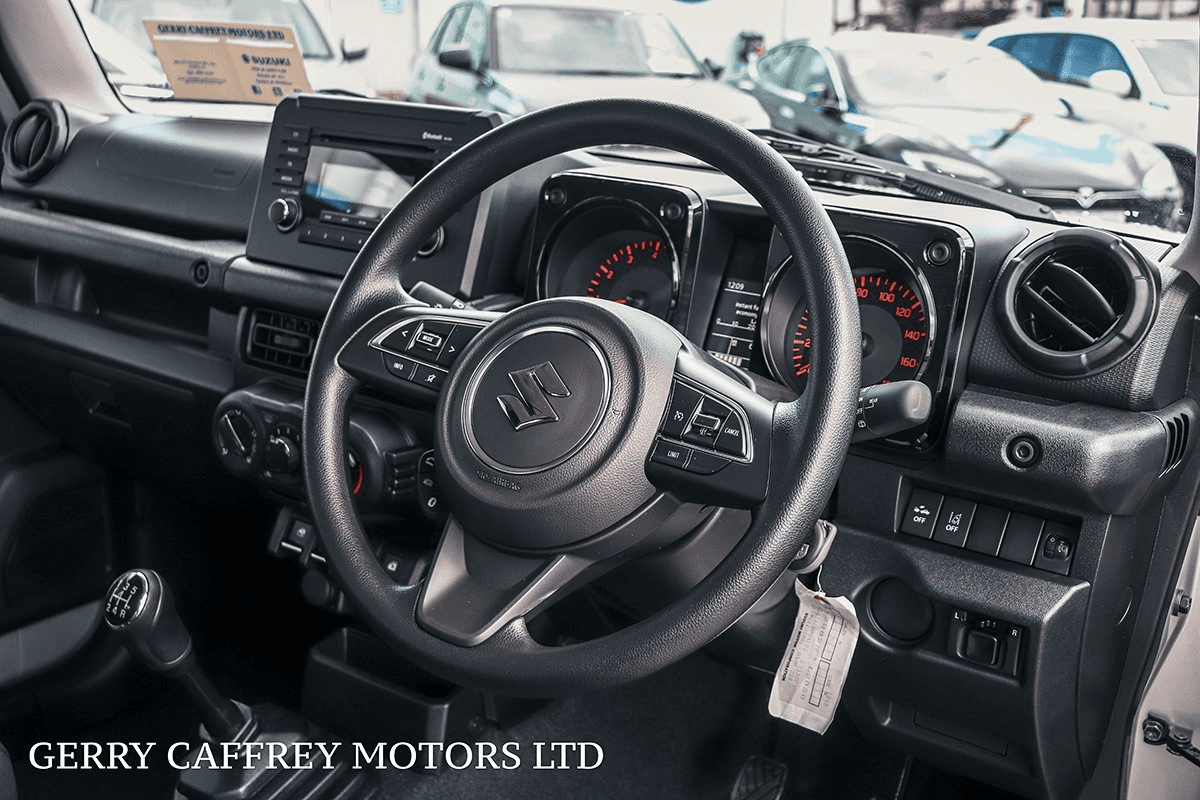
Jimny Grades and Interior Equipment
Japanese-market Jimnys are commonly offered in XG, XL and XC grades, although equipment can vary by model year. The XG is generally the simpler specification, while higher grades can add convenience and comfort features. Depending on year and specification, XL and XC models may include features such as heated front seats, automatic climate control or water-repellent upholstery. The XG may have manual air conditioning and a basic steering wheel, while an XC can include a leather-wrapped steering wheel and additional safety equipment. Check the exact vehicle details rather than assuming every example has the same equipment.
The cabin prioritizes durability, practicality and visibility. Seats are designed for comfort, and the Jimny offers useful space for passengers and cargo despite its compact size. The jimny offers ample space for occupants and luggage when configured for the trip, and its ample space is arranged with practical storage in mind. Its design suits everyday driving as well as weekend getaways and outdoor activities.
Depending on model year and grade, equipment may include power steering, alloy wheels and advanced features such as an infotainment system. Safety specifications can also vary; some versions include dual airbags and hill hold control. Confirm the equipment fitted to the specific vehicle before purchase. The Jimny's high ground clearance and capable four-wheel-drive design make it appealing for rough terrain, while its ground clearance and compact dimensions also help on uneven rural roads.
Why Interior Grades Matter When Importing a Jimny to Ireland
Buying a Japanese import is different from purchasing a used vehicle locally. When a Jimny is sitting in an auction yard in Japan, you can't simply drive over from South Dublin to inspect the seats or check for unusual smells. You're relying on the auction sheet, photographs and any additional information available.
A lower interior grade might mean a cheaper purchase price, but it could also mean additional cleaning, minor repairs or replacement parts. A B-grade Jimny that costs slightly more at auction may offer better overall value than a C-grade example requiring extensive interior work. Consider the likely costs and how condition could affect resale value, rather than choosing by grade alone. Compare the purchase invoice and other available documentation with the vehicle details and import costs.
How Irish Weather Affects Jimny Interior Condition
Ireland's climate makes interior condition particularly important. Between wet Dublin mornings, muddy country roads and trips into the Wicklow Mountains, a Jimny's cabin needs to cope with moisture and everyday wear.
Existing water damage, damp carpets or mould should never be dismissed as minor cosmetic issues. A vehicle that appears clean in auction photographs could still have moisture-related problems that need further investigation. Check the carpets, door seals, boot area and signs of previous water ingress. Protective rubber floor mats, boot liners and seat covers can help preserve the interior once the vehicle is on Irish roads.
How to Read a Japanese Jimny Auction Sheet Correctly
A good Jimny auction sheet guide should explain more than the letter grades. The overall vehicle grade, inspector's notes, mileage, repair history and photographs all contribute to a fuller picture.
Understand the Difference Between Overall and Interior Grades
The overall auction grade reflects a broader assessment of the vehicle, while the interior grade focuses on the cabin. A Jimny could receive an overall grade of 4 but an interior grade of C because of stained seats or damaged trim. Another might have a tidy B-grade interior but a lower overall grade due to exterior damage or other defects. Neither rating should be considered in isolation.
Auction grades are a useful starting point, not a promise that every part has been tested. A 4.5 grade generally indicates a better overall assessment than grade 4 within the same auction's system, but the definitions and inspection scope can differ. R and RA grades commonly point to repair history; read the remarks and seek clarification about any accident repairs before deciding. Never assume you can make a claim based only on a grade; auction terms and the applicable process should be checked in advance.
Read Inspector Comments and Damage Symbols
Japanese auction sheets often contain handwritten notes describing specific defects. These may mention scratches, upholstery damage, cigarette smells, missing accessories or previous modifications. A translation can help you read auction sheets accurately, especially where remarks are handwritten in Japanese, but buyers should obtain a full translation of the inspector’s handwritten remarks rather than rely only on a summary.
The condition diagram uses damage symbols to show the approximate location of exterior issues. Their definitions can differ between auctions. Some operators may note minor tears or traces of small repairs differently in their classifications, so confirm the sheet legend and remarks. Check the correct legend and ask what a symbol means if unclear; a dent or scratch is not automatically evidence of structural damage. Look for comments about rust, corrosion holes, repaired areas or panels that have been replaced, and ask for clarification about other defects.
Check Mileage, Repair History, Records and Photographs
Check mileage against the vehicle's age and any available maintenance records. The registration date is not necessarily the manufacture date, so confirm the relevant dates and supporting documents. An auction sheet records an assessment at auction; it does not by itself establish full service history or guarantee future reliability.
Photographs can help confirm the condition described on the sheet. Pay particular attention to the driver's seat, dashboard, steering wheel, door trims and luggage compartment. If an area isn't clearly visible, ask whether additional photographs or inspection details can be obtained.
Can a C-Grade Jimny Still Be a Good Purchase?
Yes, provided you understand the condition and the price reflects it. A Jimny with a C-grade interior because of minor upholstery stains may still be a sensible purchase, especially if you're planning outdoor activities, off-road driving or practical everyday transport. It could be the perfect vehicle for a buyer who values capability and accepts some cosmetic wear.
There is a significant difference between cosmetic wear and serious deterioration. Damaged seat belts, loose seats, moisture problems or signs of electrical faults should be investigated properly. Focus on the actual condition of the vehicle rather than chasing a particular auction grade.
How The Jimny Co Helps Customers Import Suzuki Jimny Vehicles
Importing a Suzuki Jimny from Japan involves several stages, and the auction sheet is only the beginning. At The Jimny Co, we help customers find vehicles that match their preferred specification, colour, condition and budget. We coordinate sourcing in Japan, review available inspection information and arrange the next stages of importing the vehicle to Ireland.
Once a suitable Jimny has been purchased, we manage shipping arrangements and the applicable VRT and registration process. We also help customers understand finance options, trade-in possibilities and available warranty arrangements. Our aim is to make the experience straightforward, whether you're buying your first Jimny or upgrading to a newer model.
VRT, Revenue Rules and Registering a Japanese Jimny in Ireland
When importing a Jimny from Japan, it's important to understand Irish registration requirements. Vehicles imported from outside the European Union may be subject to customs duty, import VAT and Vehicle Registration Tax, depending on their classification and circumstances.
Revenue sets out the requirements for registering imported vehicles in Ireland. For private importers, the general rule is that a vehicle registration appointment must be booked within seven days of the vehicle entering the State, with registration completed within 30 days. Different arrangements apply to authorised motor traders.
The amount of VRT payable depends on the vehicle's classification and the applicable Revenue assessment. At The Jimny Co, we handle the relevant import and registration arrangements as part of our service, helping customers avoid unnecessary complications.
Does the Japanese Interior Grade Affect the NCT?
A Japanese auction interior grade doesn't directly determine whether a Jimny will pass the NCT. The National Car Test focuses on roadworthiness and safety rather than cosmetic imperfections. Minor scratches, faded upholstery or stained carpets generally won't cause an NCT failure on their own.
Safety-related issues inside the cabin can matter. Damaged seat belts, insecure seating or certain warning-light faults may need attention before a vehicle meets roadworthiness standards. The NCT and vehicle registration inspection are separate processes, and testing requirements depend on the vehicle's age, registration status and classification.
Which Japanese Jimny Interior Grade Is Best for Irish Buyers?
The best grade depends on how you plan to use your Jimny. If you're looking for a particularly clean vehicle for commuting around Dublin or South Dublin, an A- or B-grade interior may be ideal. These grades generally offer a tidy cabin with relatively little visible wear.
For regular outdoor activities, countryside driving or a customised Jimny build, a carefully inspected C-grade example could also be worth considering. A D-grade interior is usually better suited to buyers who understand the potential restoration work and associated costs.
Ultimately, the overall condition, maintenance history, chassis condition and mechanical health of the Jimny are just as important as the interior grade.
Find Your Ideal Japanese Jimny with The Jimny Co
Understanding Japanese Jimny auction sheet interior grades helps you make a more informed decision when buying from Japan. An A-grade interior offers excellent presentation, a B-grade cabin can provide everyday value, and a C-grade Jimny may still be worth considering when its condition is properly understood.
What matters most is finding a vehicle that suits your lifestyle, budget and expectations. At The Jimny Co, we take care of the import journey, from sourcing and inspection in Japan to shipping, VRT and registration in Ireland, with finance, trade-in and warranty options available.

Our Passion for Jimnys is backed by 35+ years of Suzuki Heritage.
The Jimny Co is a sub-brand of Gerry Caffrey Motors — Ireland’s longest-standing Suzuki dealership.
© The Jimny Co 2025
01 490 1134
106 - 112 Terenure Road North,
Dublin 6W, Ireland, D6WWR13